Rakuten Travel is part of Japan's Rakuten Group, founded in Tokyo in 1997 and now recognized for one of Asia's most expansive digital ecosystems. The platform focuses on keeping travel planning consolidated–hotels, traditional ryokans, flights, car rentals, and local experiences under one roof. It is widely used across Japan and accommodates international travelers seeking accommodation throughout Asia and beyond, with enough range to cover both routine trips and more specific itineraries.
Its user base spans business travelers in major cities and holidaymakers heading to seasonal destinations such as hot spring regions or ski resorts. The defining feature is its integration with the broader Rakuten ecosystem, where activity and rewards carry across services rather than resetting with each booking. That continuity also drives many travelers to seek out a Rakuten Travel promo code when planning a trip, particularly when balancing flexibility against overall cost.
How to save on purchases at Rakuten Travel
Travel prices on Rakuten Travel don't stay fixed for long. Rates shift constantly depending on demand, timing, and membership status, and the most noticeable savings usually come from how well these elements are combined. A promo code, coupon, or discount can reduce costs, but real value emerges when these tools align with how the platform's pricing actually behaves.
- Start with a Rakuten account to unlock hidden rate layers: Signing up changes what you see immediately. Many hotels switch to member-only pricing once logged in, and certain stay plans only appear after registration. This is also where a promo code may become available, along with coupon offers not shown to guest users. Over time, active accounts tend to surface more relevant discount opportunities, particularly for frequent destinations.
- Watch pricing that adjusts in real time: Some savings never surface as formal promotions. Hotel rates are updated continuously based on demand and seasonality, producing sudden price drops. These built-in adjustments can sometimes outperform a standalone promo code while still leaving room for an additional coupon or layered discount.
- Book early before demand reshapes prices: Early booking often sits within a more flexible pricing window before availability tightens. Hotels adjust rates during this phase, and structured discounts are more likely to appear. A promo code may be available for selected properties, and a coupon can occasionally be applied during this early stage.
- Explore member-only travel plans: Certain listings are structured as bundled travel experiences rather than standard hotel stays. These plans often fold in upgrades like meals or late checkout directly into the price. Rather than obvious markdowns, they function as embedded discount value and may still align with a promo code or coupon depending on the offer.
- Follow short campaign windows: Rakuten Travel promotions run in cycles rather than staying active indefinitely. Seasonal campaigns, regional initiatives, and hotel collaborations open for limited periods before closing. A promo code may only be valid within these windows, while a coupon is often tied to specific destinations or categories–with stronger discount peaks around major travel periods.
- Use alerts instead of manual searching: Notifications and email updates frequently surface deals that are easy to overlook while browsing. These can include a time-sensitive promo code, a location-based coupon, or a short-lived discount tied to availability gaps. Timing carries more weight than volume, since many offers expire or shift quickly.
Rakuten Travel works best when pricing behavior, timing, and membership access are treated as connected rather than separate levers. A promo code can still add value, but it tends to land better alongside member pricing or other reductions already reflected in listings. The KODOBI team tracks these variables across Rakuten Travel continuously–following active promo releases, rotating special offers, and broader price shifts–then consolidating everything into a single, regularly updated overview so travelers can assess real value without chasing scattered or short-lived deals.
How to apply a Rakuten Travel promo code
Active Rakuten Travel promo codes and coupons are listed on KODOBI, updated regularly so you always have current offers. To apply a discount code at checkout:
- Select your hotel, dates, and room type, then proceed to the booking summary.
- Sign up, log in, or continue as a guest.
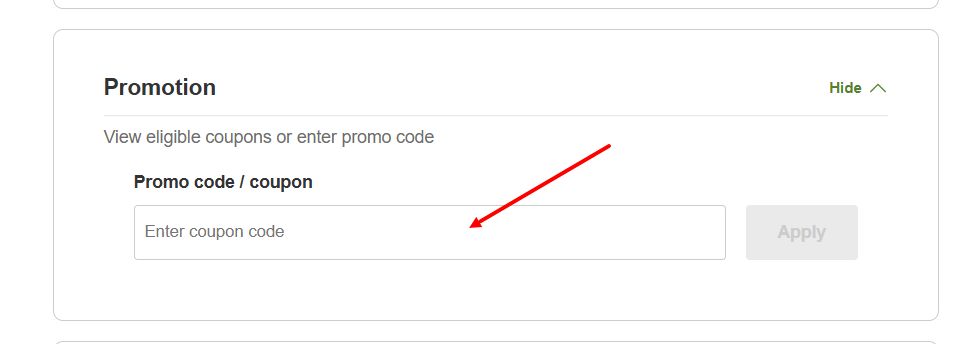
- On the next screen, scroll to the "Promotion" section and click "Show" to expand the "Promo code / coupon" field.
- Enter your promo code, hit "Apply," and check that the price updates accordingly.
- Verify the discount has been deducted before continuing to payment and completing the booking.
Current deals and savings opportunities
- Limited-time coupons: Certain properties periodically drop up to 20% through short-window discount coupons, valid only while selected room types last.
- Hokkaido seasonal rate cut: Participating Hokkaido properties are applying an additional 10% directly off displayed rates–the offer expires July 31.
- New Rakuten member reward: First-time Rakuten members get an automatic 5% reduction on eligible properties, no coupon code required.
- Japan-wide stackable discount: A 5% discount applies across participating properties throughout Japan and can be combined with other valid coupons, subject to each property's terms.
- Osaka curated plans: Osaka deals skew toward packaged travel experiences–location-focused itineraries bundled together rather than straight nightly rate reductions.
- Hokkaido onsen ryokan offers: Traditional hot spring inns across Hokkaido are running up to 20% off on select seasonal plans, limited to participating ryokan listings.
These deals run on short, irregular cycles shaped by region, season, and property participation. KODOBI tracks them as they surface, consolidating active offers so travelers can weigh what's genuinely worth it–without trawling through fragmented listings.
Strengths and features
Rakuten Travel's value comes from how its ecosystem, coverage, and structure work together in practice rather than from any single feature.
- The wider Rakuten network sits behind every reservation, so points, account activity, and member benefits accumulate in one place and carry over into future trips rather than resetting each time.
- Japan is where the platform shows its real depth, reaching well beyond major cities into regional towns, rural areas, and seasonal destinations that global alternatives routinely overlook.
- Everything from budget business properties to traditional ryokans and resorts feeds into a single search flow–no fragmentation by category, which makes side-by-side comparison straightforward.
- Pricing and availability updates follow a consistent layout, making rate movements easier to track and helping users distinguish a shift worth acting on from routine fluctuation.
Range of services available on Rakuten Travel
Rakuten Travel brings the core parts of trip planning into a single place, covering stays, transport, and on-the-ground arrangements without forcing users to jump between services.
- Accommodation spans major hotel chains, boutique properties, and traditional ryokans–all searchable in one place regardless of how different they are in type or price range.
- Flights and transport are integrated directly, so routes and lodging can be planned together rather than booked separately.
- Travel bundles pair accommodation with transport under one reservation, which is particularly useful for longer or multi-leg trips.
- Local activities–guided tours, cultural experiences–can be added once the main booking is confirmed.
- Car rental is available across many destinations, covering ground transport without redirecting users to external providers.
Rakuten Travel brings together accommodation, transport, and planning tools in a way that keeps complex itineraries manageable. Its strength lies in how selection, rewards, and regularly updated offers work in combination–creating room for savings without making the process feel like active deal-hunting. With some attention to timing, it becomes easier to align pricing cycles and available offers more deliberately, whether for a short city break or an extended trip.