Skillshare is an online learning platform founded in New York in 2010 by Michael Karnjanaprakorn and Malcolm Ong. The idea behind it was simple: creative skills stick better when you're making something, not just watching someone else make it. That's still the backbone of the platform today, with classes covering illustration, photography, design, writing, video, marketing, freelancing, and other creative fields.
Skillshare is built more for people learning around a job or a personal project than for anyone following a formal curriculum. A class might walk you from a blank page to a finished illustration, or push a half-formed idea into a finished piece of writing, and the community around each class gives learners somewhere to post the result and get real feedback. If you're deciding between a membership and paying per course elsewhere, a Skillshare promo code is often the detail that tips the decision.
How to save on purchases at Skillshare
With Skillshare, the useful question is whether the service actually fits how you intend to learn. Someone testing a single creative discipline has a different calculation from a learner planning to work through several classes over the year, so the right promo code, coupon or discount depends on the commitment you are considering.
- Use a promo code when you're ready to commit: A promo code is worth checking once you've decided that Skillshare's class library fits your needs but the price is giving you pause. Read the conditions attached before applying it, since a discount tied to the subscription shouldn't be assumed to cover Shop offerings or 1-on-1 Sessions.
- Make the trial do some useful work: New paid subscribers get seven days of unlimited access to Skillshare's 30,000+ classes, with offline viewing and no advertising. Use that window to follow classes you'd genuinely take, rather than browsing at random; it gives you a better basis for deciding whether a coupon or discount is worth using on the annual plan.
- Think in terms of the full year: Skillshare currently lists the individual plan at $13.99 per month when billed annually, with $167.88 charged for the year. That arrangement suits someone who expects to move between design, illustration, photography, writing or business classes throughout the year; a promo code can make that longer commitment more attractive than paying the standard rate.
- Use a referral when another person is joining too: Skillshare's referral program gives a friend one free month after signing up through your link, while the person who referred them gets a free month once that friend completes their first full payment. For two people already planning to join, that's often more useful than hunting for a generic coupon or waiting for a small discount.
- Turn an audience into affiliate income: Skillshare's affiliate program is built for people who already reach an audience through a blog, newsletter or social channel. It pays 20% commission, up to $34 per new customer, and includes a 30-day cookie, real-time tracking, monthly payouts and rotating promotions–so an affiliate can share a relevant promo code or discount instead of just recommending the platform with nothing in it for their audience.
- Consider teaching on the platform: Eligible creators can publish Skillshare classes and earn royalties based on watch time, subject to the platform's teacher requirements. For a photographer, illustrator or designer who already has a repeatable process to teach, that's a bigger shift than a coupon applied at checkout–the platform becomes a source of income, not just a place to learn.
- Separate the subscription from Shop purchases: Skillshare also sells digital products and 1-on-1 Sessions apart from its class library. That distinction matters when you need direct feedback or a specific resource rather than broad access: a promo code, coupon or discount tied to your plan shouldn't automatically be expected to reduce the price of these add-ons.
Kodobi keeps Skillshare promo code listings, coupon opportunities and discount details together, giving you a place to check the terms before you sign up. A promo code may suit the annual plan, a coupon could be tied to a particular promotion, and a discount may carry its own eligibility conditions–worth checking before payment so you don't treat every offer as interchangeable.
How to apply a Skillshare promo code
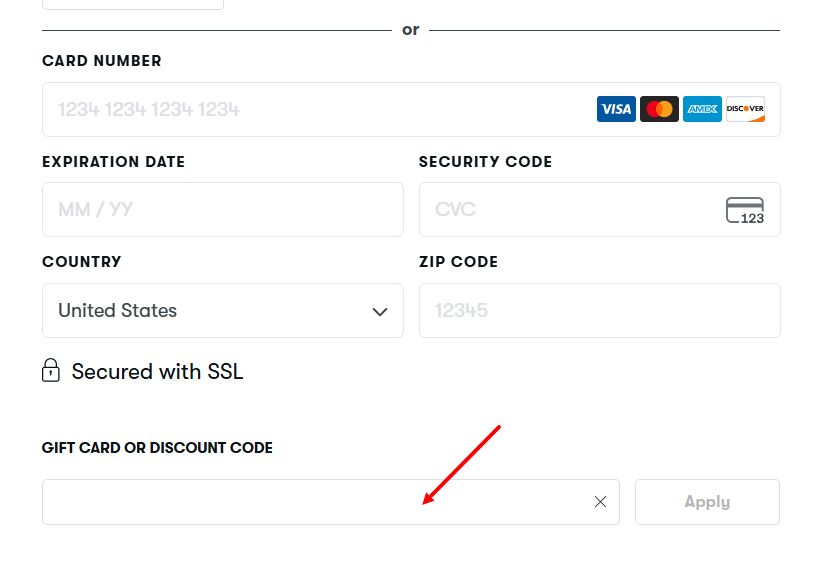
Kodobi lets you grab a Skillshare coupon code before starting your membership signup, so you're not scrambling for it at checkout. Skillshare applies the discount directly during membership signup–there's no separate cart step.
- From your selected Kodobi offer, open Skillshare's membership signup page.
- Log in to your Skillshare account, or create one if you're new.
- Choose your membership plan and continue through signup until you reach payment.
- On the checkout screen, find the promotional code field and enter the code from Kodobi.
- Apply the coupon and confirm the updated price looks correct.
- Finish signing up once the lower rate is showing.
Current offers
- 7-Day Free Trial: New paid subscribers get seven days of access to Skillshare's 30,000+ courses, with offline viewing and no ads; cancelling before the trial ends stops the annual plan from starting and being billed.
- Annual Plan: The individual tier costs $13.99 per month when billed annually, or $167.88 USD for the year, covering the full course catalog, Learning Paths, certificates and badges, and community access; a coupon or promo code can lower the amount due when its terms match the offer.
- Skillshare for Teams: The team rate is $159 per user per year and includes seat reassignment, admin tools, reporting and analytics, prorated seat additions, and dedicated options for nonprofits, educators, and community organizations–pricing that runs on its own discount terms, separate from the individual plan.
Kodobi tracks Skillshare coupon and promo code offers alongside their discount terms, so it's clear whether a coupon applies to the individual plan or a discount belongs to a separate promotion.
What makes Skillshare stand out
- Learning through projects: Most classes end in something you've actually made, not just a folder of notes or a watched-and-forgotten video.
- Cross-disciplinary skill-building: Skillshare rewards learners whose work spans categories–a designer, for instance, can pick up illustration, presentation design, marketing, and freelancing know-how without hopping between separate platforms for each.
- Peer feedback built in: Posted class projects mean learners see how others tackled the same brief and get real reactions to their own–useful anywhere the work is visual or the judgment calls are subjective.
- Depth on your terms: Grab one technique to solve a problem today, or follow a full Learning Path to build a skill set over time–the format doesn't force a choice.
- Instructors, not curriculum: Each class reflects one teacher's methods and experience, so learners get a range of working styles instead of a single house approach.
Skillshare offerings
Skillshare offers several types of learning and related services:
- Classes: On-demand lessons in creative and professional fields, including illustration, design, photography, writing, video, marketing, and freelancing.
- Learning Paths: Structured sequences of classes built around a specific skill or subject.
- Certificates and badges: Recognition earned through qualifying activity on the platform.
- Community: A space where members post class projects and exchange feedback.
- Digital products: Downloadable resources available through the Skillshare Shop.
- 1-on-1 Sessions: Direct, individual guidance from participating teachers.
- Team plans: Organization-wide access with admin controls, usage reporting, and flexible seat allocation.
Skillshare fits learners who want to build creative skills hands-on, without signing up for a fixed curriculum or timeline. It pays off most when the mix of subjects, instructors, and project-based classes feeds into something you're actually trying to build: a portfolio piece, a freelance skill, or a discipline you're picking up from scratch.